Overview of Galactic Guardians Chennai
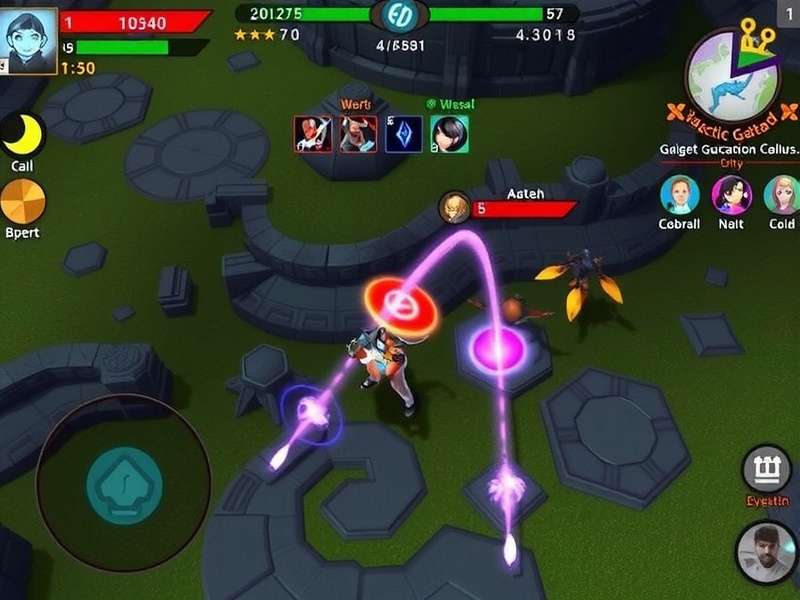
A stunning view of New Chennai Space Station, the central hub in Galactic Guardians Chennai, showcasing Tamil architectural influences blended with futuristic design.
Galactic Guardians Chennai stands as a landmark achievement in Indian game development, crafted by Daman Games Studios Chennai to redefine the sci-fi space adventure genre with a distinct desi touch. Launched on 2nd October 2024 (coinciding with Gandhi Jayanti, a nod to India's rich heritage), the game has shattered records in the Indian gaming market, amassing over 1.5 million downloads within the first month and earning critical acclaim for its innovation and cultural authenticity.
Set in the year 2419, the game transports players to the "Tamizh-Galaxy," a sprawling cosmic neighborhood 420 light-years from Earth, named in honor of Tamil civilization's contributions to astronomy and mathematics. At the heart of this galaxy lies New Chennai – a colossal space station built around a captured asteroid, serving as the headquarters for the Galactic Guardians Corps, an elite force tasked with protecting the galaxy from interstellar threats, rogue AI, and cosmic anomalies.
What truly distinguishes Galactic Guardians Chennai from global space games is its seamless integration of Indian cultural elements into every aspect of the gameplay and narrative. Unlike Western titles that often prioritize generic sci-fi tropes, this game weaves Tamil traditions, Hindu mythology, and Indian values into its core – from spaceships designed to resemble ancient temple chariots to in-game ceremonies inspired by Tamil festivals like Pongal and Thiruvalluvar Jayanti.
The game's commitment to accessibility is evident in its cross-platform compatibility, allowing players to seamlessly switch between PC, consoles, and mobile devices without losing progress. With a dedicated development team based in Chennai, Galactic Guardians Chennai receives bi-monthly updates, seasonal events tied to Indian festivals, and regular content expansions that keep the gameplay fresh and engaging for both casual players and hardcore enthusiasts.
Core Philosophy of Galactic Guardians Chennai
The development team at Daman Games Studios Chennai set out with a clear mission: to create a world-class space game that makes Indian gamers feel seen and proud, while still appealing to a global audience. This philosophy is reflected in three key pillars:
Cultural Authenticity
Every element, from character designs to soundtracks, draws inspiration from Indian heritage – ensuring representation that feels respectful and genuine, not tokenistic.
Inclusive Gameplay
Accessible mechanics for casual players, with deep systems and customization options that satisfy hardcore gamers – no pay-to-win elements, just skill and strategy.
Community-Centric Development
Regular feedback loops with Indian players, ensuring the game evolves based on the needs and preferences of its core audience.
Key Features of Galactic Guardians Chennai
- Expansive open-world exploration across 60+ star systems, each with unique planets, moons, and cosmic phenomena
- Deep character customization with over 500 options, including traditional Indian attire (sarees, dhotis, kurtas, veshtis) and mythologically inspired armor sets
- Robust multiplayer modes: 64-player PvP battles, 8-player co-op missions, and a persistent online galaxy with player-run factions
- Epic narrative spanning 12 story arcs, blending sci-fi action with themes from Ramayana, Mahabharata, and Tamil Sangam literature
- Cutting-edge visuals powered by Daman Games' proprietary "Cosmic Engine," optimized for low-end devices without compromising quality
- Dynamic cosmic events (supernovas, asteroid storms, alien invasions) that impact gameplay and story progression
- Authentic Indian soundtrack featuring Carnatic classical music, Tamil folk songs, and modern EDM fusion tracks
- Festival-themed events (Pongal Celebration, Diwali Space Spectacular, Onam Galactic Feast) with exclusive rewards and gameplay modes
- Player-driven economy with trading routes based on real Indian trade history, from ancient spice routes to modern tech exchanges
- Accessibility features including multiple control schemes, adjustable difficulty levels, and 9 Indian language options with regional dialects
| Feature | Details |
|---|---|
| Release Date | 2nd October 2024 (Gandhi Jayanti) |
| Developer | Daman Games Studios Chennai |
| Publisher | Daman Games |
| Platforms | PC (Windows 10/11), PlayStation 5, Xbox Series X/S, Nintendo Switch, Android (10+), iOS (14+) |
| Genre | Action, Adventure, Multiplayer, Sci-Fi, Space Simulation, Open World, RPG |
| Mode | Single-player (story campaign), Multiplayer (up to 64 players) |
| Languages Supported | English, Tamil (Madras & Trichy dialects), Hindi (Standard & Bhojpuri), Telugu, Kannada, Malayalam, Bengali, Marathi, Gujarati |
| File Size | PC: 85 GB, Consoles: 75 GB, Mobile: 8 GB (compressed) |
| Price | Standard Edition: ₹899, Deluxe Edition: ₹1,399, Ultimate Edition: ₹1,899 |
| Age Rating | PEGI 12, ESRB T (Teen) |
| Online Requirements | Internet connection required for multiplayer; single-player can be played offline |
"Galactic Guardians Chennai isn't just a game – it's a love letter to Indian culture and space exploration. We wanted to create something that Indian gamers could call their own, while showing the world that our stories and traditions deserve a place in the global gaming landscape."
Gameplay Mechanics of Galactic Guardians Chennai
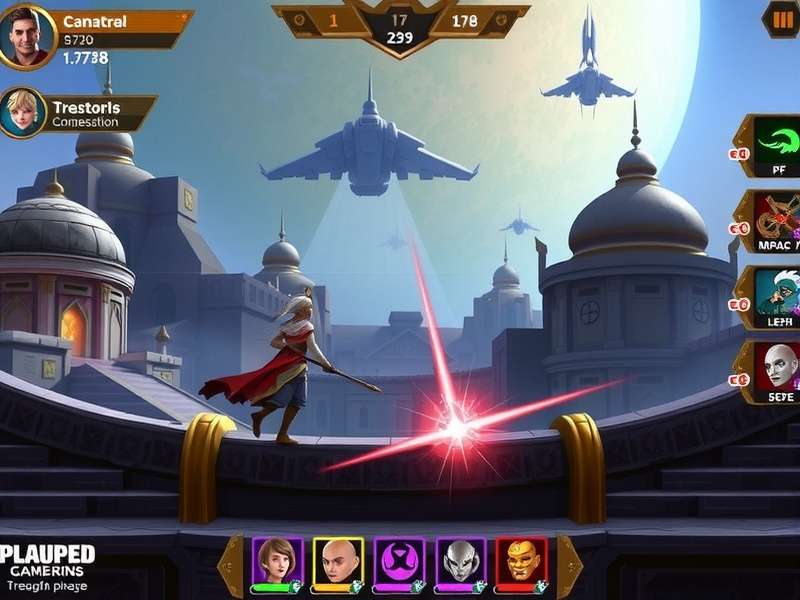
Intense space combat in Galactic Guardians Chennai, showcasing the game's dynamic visuals and strategic gameplay during a faction war in the Andromeda Sector.
The gameplay of Galactic Guardians Chennai is meticulously designed to strike a balance between accessibility and depth, ensuring that both casual players and hardcore space simulation fans find something to enjoy. The development team spent over two years refining the mechanics, conducting extensive playtests across India to tailor the experience to local gaming preferences.
At its core, the game offers a sandbox experience where players can choose their own path – whether that's following the epic main story, exploring the vast galaxy, engaging in intense PvP battles, trading resources to build wealth, or roleplaying as a cosmic merchant. This freedom is paired with tight, responsive controls that feel natural across all platforms, from PC keyboards to mobile touchscreens.
Character Creation and Progression
Character creation in Galactic Guardians Chennai is a celebration of Indian diversity, offering unprecedented customization options that reflect the country's cultural richness. Players start by selecting their character's background – each with unique starting abilities and story hooks:
- Tamil Scholar-Warrior: Descendant of ancient Tamil warriors, skilled in hand-to-hand combat and cosmic lore
- North Indian Tech Guru: Expert in spaceship engineering and hacking, hailing from Delhi's tech hub
- Kerala Marine Biologist: Specialized in alien ecosystems and healing abilities, with connections to aquatic planets
- Rajasthani Merchant-Prince: Master of trade and negotiation, starting with extra credits and rare resources
- Bengali Astrophysicist: Expert in space navigation and cosmic phenomena, able to detect hidden locations
Beyond backgrounds, the customization system allows players to fine-tune every aspect of their character's appearance – from facial features inspired by Indian ethnic groups to hairstyles ranging from traditional braids to modern cuts. The clothing options are particularly noteworthy, with authentic Indian attire that includes:
- Sarees (Kanjivaram, Banarasi, and Chanderi styles) with futuristic modifications
- Dhotis and veshtis paired with cosmic-themed angavastrams
- Kurtas and salwar kameez in vibrant colors and patterns
- Traditional jewelry (mangalsutras, nose rings, bangles) with tech enhancements
- Mythologically inspired armor sets (Shiva's Rudraksha Armor, Durga's Lioness Plate, Krishna's Peacock Shield)
Character progression follows a flexible skill tree system with five main branches, each offering unique abilities that can be mixed and matched to create a personalized playstyle:
Combat Mastery
Focuses on weapons proficiency, hand-to-hand combat, and space battle tactics. Unlocks abilities like "Vajra Strike" (a powerful energy blast inspired by Indra's weapon) and "Kalaripayattu Combat" (a martial arts style from Kerala).
Exploration Expertise
Enhances scanning abilities, planet traversal, and resource gathering. Unlocks "Nakshatra Navigation" (using star constellations for faster travel) and "Ancient Ruin Decoding" (accessing hidden Tamil-era artifacts).
Trade and Diplomacy
Improves negotiation skills, trading profits, and faction reputation. Unlocks "Spice Route Mastery" (better prices on rare commodities) and "Rajya Sabha Persuasion" (resolving conflicts through dialogue).
Tech and Engineering
Boosts spaceship customization, hacking abilities, and gadget crafting. Unlocks "Vedic Circuitry" (faster ship repairs) and "Astronomical Calculations" (optimizing jump drive efficiency).
Spiritual Awakening
Draws on Indian spiritual traditions for healing, protection, and reality-bending abilities. Unlocks "Dharma Shield" (protective barrier based on righteous actions) and "Karma Weave" (influencing enemy behavior).
Spaceship Customization and Combat
Spaceships are the backbone of Galactic Guardians Chennai, serving as both transportation and combat vessels. The game features over 30 base ship models, each inspired by different aspects of Indian culture and mythology, with hundreds of customization options to make each vessel unique.
Base ship classes include:
- Vimana Class: Small, agile fighters inspired by ancient Indian flying machines described in the Vedas. Ideal for dogfights and quick hit-and-run missions.
- Chariot Class: Medium-sized ships modeled after the chariots of Hindu deities (Arjuna's Prabhu Chariot, Rama's Pushpaka Vimana). Balanced for combat and exploration.
- Gopuram Class: Large capital ships designed to resemble the towering gopurams of Tamil temples. Slow but heavily armed, perfect for fleet battles and planetary sieges.
- Lotus Class: Support ships shaped like lotus flowers (a symbol of purity in Indian culture). Specialize in healing, repair, and resource gathering.
- Peacock Class: Stealth ships inspired by Lord Murugan's vehicle. Equipped with cloaking devices and silent engines for espionage missions.
Spaceship customization is remarkably deep, allowing players to modify every component:
Hull and Exterior
- Material options: Titanium Alloy, Vedic Crystal, Lunar Steel, Solar Plasma
- Cosmetic modifications: Tamil temple carvings, rangoli patterns, festival-themed paint jobs (Pongal kolam, Diwali rangoli)
- Lighting effects: Customizable neon accents in traditional Indian colors (saffron, white, green, blue)
- Emblem options: Symbols from Indian mythology (Om, Swastika, Lotus, Trishul) and regional icons (Tamil Om, Bengali Alpana)
Weapons and Defenses
- Primary weapons: Laser Cannons (Agni Beam), Missile Launchers (Vayu Warheads), Plasma Rifles (Jal Destructors), Gauss Cannons (Prithvi Shatterers)
- Special weapons: Brahmastra (one-hit-kill super weapon with long cooldown), Sudarshan Chakra (homing energy disc), Trishul Lancer (piercing energy spear)
- Defensive systems: Dharma Shield (energy barrier), Maya Cloak (stealth technology), Lakshmi Repair Field (automatic hull repair), Saraswati Jamming (electronic countermeasures)
Engines and Propulsion
- Sub-light engines: Vayu Thrusters (speed-focused), Prithvi Engines (maneuverability-focused), Agni Boosters (acceleration-focused)
- Jump drives: Nakshatra Warp Core (faster interstellar travel), Chandra Fold Drive (longer jump range), Surya Hyperdrive (energy-efficient)
- Special propulsion: Garuda Wings (short-range teleportation), Hanuman Jets (emergency evasion), Ganesha Stabilizers (smooth flight in turbulent space)
Space combat in Galactic Guardians Chennai is fast-paced yet strategic, requiring players to master both offensive and defensive tactics. The combat system incorporates elements of traditional Indian warfare, with formations inspired by the "Chakra Vyuh" (wheel formation) from the Mahabharata and "Padmavyuh" (lotus formation) used in ancient Tamil battles.
Key combat features include:
- Target locking with "Drishti System" (inspired by the third eye of Shiva) for precise aiming
- Energy management that rewards strategic use of weapons and shields (no infinite ammo)
- Team-based combat roles (Attacker, Defender, Support, Scout) with unique abilities
- Environmental hazards (asteroid fields, black holes, radiation storms) that add unpredictability
- Boarding actions that allow players to invade enemy ships and engage in close-quarters combat
Open-World Exploration
The galaxy of Galactic Guardians Chennai is a masterpiece of world-building, spanning 60+ star systems and over 200 explorable planets, each with unique environments, flora, fauna, and secrets to discover. The development team used a combination of procedural generation and hand-crafted content to create a galaxy that feels both vast and curated.
Exploration is encouraged through a variety of mechanics:
Planet Traversal
Players can land their ships on most planets and explore on foot or using specialized vehicles (hoverbikes, rovers, aquatic vessels). Each planet features distinct biomes, including:
- Lush jungles inspired by the Western Ghats, with bioluminescent flora and exotic creatures
- Desert landscapes modeled after the Thar Desert, with ancient ruins and sandstorms
- Ocean worlds reminiscent of the Indian Ocean, with underwater cities and marine life
- Volcanic planets inspired by the Deccan Traps, with lava flows and mineral-rich caves
- Frozen wastelands similar to the Himalayas, with ice caves and thermal vents
Planetary exploration is rewarded with resources, artifacts, and side quests that deepen the game's lore. For example, players might discover a hidden temple on a jungle planet that contains a Tamil inscription revealing the location of a powerful weapon, or uncover a crashed spaceship with cargo from Earth's ancient spice routes.
Space Exploration
Travel between star systems is done via jump drives, with players able to plot their own courses using the "Nakshatra Navigation System" – a unique feature that uses constellations named after Indian mythological figures (Ursa Major becomes "Saptarishi Mandalam," Orion becomes "Arjuna's Bow").
Space exploration offers its own set of challenges and rewards:
- Asteroid fields with valuable minerals that can be mined for ship upgrades
- Space stations run by different factions, each with unique goods and missions
- Cosmic anomalies (wormholes, nebulae, black holes) that offer shortcuts or rare resources
- Derelict ships and space debris that can be looted for valuable items or repaired for use
- Random encounters with other players, friendly NPCs, or hostile forces
New Chennai Space Station
Serving as the game's central hub, New Chennai is a marvel of futuristic design blended with Tamil architectural elements. The station is divided into several districts, each with its own purpose:
- Marina Plaza: A bustling marketplace inspired by Chennai's Marina Beach, where players can buy and sell goods, upgrade equipment, and interact with NPCs.
- Thanjavur Temple District: Home to the Galactic Guardians Corps headquarters, modeled after the Brihadeeswarar Temple in Thanjavur. Features mission givers, training facilities, and faction leaders.
- Mylapore Residential Zone: Where players can purchase and customize their own living quarters, with options ranging from small apartments to luxurious penthouses.
- Elliot's Tech Park: The station's technological hub, with shipyards, research facilities, and vendors selling advanced upgrades.
- Besant Nagar Cultural Center: Hosts in-game events, festivals, and community activities, with a theater showing cutscenes from the game's story and a museum showcasing Indian space history.
Faction System and PvP
Galactic Guardians Chennai features a dynamic faction system that adds depth and replayability to the multiplayer experience. Players can align with one of four major factions, each with its own ideology, territory, and rewards:
Galactic Guardians Corps
The official protectors of the Tamizh-Galaxy, dedicated to upholding justice and order. Aligned with Earth's United Nations of Space. Offers rewards like advanced military equipment and diplomatic immunity.
Tamil Nadu Space Consortium
A coalition of Tamil-speaking worlds focused on preserving cultural heritage and promoting trade. Controlled by wealthy merchant families and cultural leaders. Offers rewards like rare spices, ancient artifacts, and trade route monopolies.
Varuna Pirates
A group of rogue spacefarers inspired by the sea pirates of India's past. They value freedom above all else and raid faction ships for resources. Offers rewards like stolen technology, black market goods, and stealth upgrades.
Vedic Ascendants
A spiritual order that believes in harnessing cosmic energy through ancient Vedic practices. They seek to unlock the galaxy's mystical secrets. Offers rewards like spiritual abilities, healing items, and mythological artifacts.
Faction loyalty is earned by completing missions, participating in faction wars, and contributing resources. As players rise in rank, they gain access to exclusive content, including faction-specific ships, armor, and storylines. The faction system is dynamic, with territories changing hands based on player activity – a feature that ensures the galaxy's political landscape is constantly evolving.
PvP gameplay offers several modes to suit different playstyles:
- Galactic War: Large-scale battles between factions for control of star systems. Up to 64 players per match, with ships, ground troops, and strategic objectives.
- Space Duel: 1v1 or 2v2 dogfights in iconic locations from the game. Focuses on skill and ship customization.
- Artifact Hunt: Teams compete to find and secure ancient Tamil artifacts scattered across a map. Combines combat with exploration and puzzle-solving.
- Trade Route Raid: Attackers attempt to hijack a cargo ship, while defenders protect it. Features multiple phases and dynamic events.
- Chakra Conquest: Capture and hold control points arranged in a Chakra (wheel) formation. Requires teamwork and strategic planning.
PvP matches reward players with faction points, rare resources, and exclusive cosmetic items. The game uses a skill-based matchmaking system to ensure fair competition, with leaderboards that track the top players in each region of India.
Economy and Trading
The economy of Galactic Guardians Chennai is one of its most intricate features, modeled after India's trade history from ancient times to the present. The game's economy is player-driven, with prices fluctuating based on supply and demand across different star systems.
Key economic features include:
Trade Goods
Over 100 tradeable commodities, including:
- Resources: Minerals (iron, gold, diamonds), energy sources (solar plasma, lunar crystals), organic materials (spices, medicinal herbs)
- Manufactured Goods: Weapons, ship parts, technology, clothing
- Cultural Items: Ancient Tamil manuscripts, traditional Indian art, mythological artifacts
- Illegal Goods: Stolen technology, banned weapons, black market spices
Trade routes are inspired by real Indian trade networks, with profitable paths that mirror the ancient Spice Route, the Silk Road, and modern tech trade routes. For example, spices from a jungle planet in the southern galaxy fetch high prices in the resource-poor systems of the north, while advanced technology from New Chennai is valuable in less developed regions.
Player-Owned Businesses
As players accumulate wealth, they can invest in various businesses across the galaxy:
- Mines: Extract valuable minerals from asteroids or planetary surfaces
- Factories: Manufacture weapons, ship parts, or other goods
- Trading Posts: Establish permanent trade hubs in strategic locations
- Farms: Cultivate spices, medicinal herbs, or other organic goods
- Space Stations: Build and operate custom space stations for trade, repair, or recreation
These businesses generate passive income and allow players to influence the game's economy. For example, a player who owns multiple spice farms can control the price of spices in a region, while a player with a network of trading posts can create a monopoly on certain goods.
Currency System
The game uses two currencies:
- Credits: The primary currency for most transactions. Earned through missions, trading, and combat.
- Shivam: A premium currency named after the Hindu god Shiva. Used for cosmetic items, convenience features, and rare upgrades. Can be earned through gameplay (via achievements and events) or purchased with real money.
Importantly, the game avoids pay-to-win mechanics – Shivam can only be used for cosmetic items and convenience features, not for power upgrades. This ensures that all players have an equal chance to succeed based on skill and dedication.
Missions and Quests
Galactic Guardians Chennai offers a diverse range of missions and quests to keep players engaged, with content tailored to different playstyles. The game's mission design draws inspiration from Indian storytelling traditions, with quests that often feature moral dilemmas and character-driven narratives.
Main Story Campaign
The main story spans 12 chapters, each focusing on a different threat to the Tamizh-Galaxy. The narrative follows the player's journey from a new recruit in the Galactic Guardians Corps to a legendary hero who must save the galaxy from an ancient evil. Key story elements include:
- The search for the "Linga of Cosmos" – a powerful artifact inspired by the Shiva Lingam that can control cosmic energy
- Confrontations with the "Asura Horde" – a race of alien invaders modeled after the asuras from Hindu mythology
- Alliances with characters based on Indian mythological figures (a wise mentor inspired by Vishwamitra, a warrior princess modeled after Sita)
- Moral choices that affect the story's outcome and the player's reputation with factions
- Cinematic cutscenes with voice acting by popular Indian actors (including Tamil cinema stars like Vijay Sethupathi and Trisha Krishnan)
Side Quests
Side quests offer additional content that expands the game's lore and provides unique rewards. These quests are often tied to specific planets or factions, and include:
- Character-driven stories that explore the personal struggles of NPCs
- Exploration quests that require players to discover hidden locations
- Trade quests that involve transporting valuable goods across dangerous routes
- Cultural quests that celebrate Indian traditions (e.g., organizing a Pongal feast on a distant planet, recovering stolen Tamil manuscripts)
Daily and Weekly Challenges
The game features daily and weekly challenges that offer rewards like credits, Shivam, and rare items. These challenges rotate regularly and include:
- Combat challenges (defeat a certain number of enemies, win PvP matches)
- Exploration challenges (discover new planets, scan cosmic anomalies)
- Trade challenges (complete a certain number of trades, earn a specific amount of credits)
- Cultural challenges (participate in festival events, collect cultural items)
Festival Events
One of the most unique aspects of Galactic Guardians Chennai is its festival events, which celebrate major Indian festivals with special content and rewards. These events are timed to coincide with real-world festivals and include:
- Pongal Celebration: Players can participate in a cosmic version of Pongal, with activities like cooking traditional dishes, flying kites in space, and competing in bull races (with alien bulls). Rewards include Pongal-themed ship skins and clothing.
- Diwali Space Spectacular: The galaxy is illuminated with colorful lights, and players can participate in fireworks displays, candle lighting ceremonies, and a special mission to defeat the "Darkness Asura." Rewards include Diwali rangoli patterns for ships and glowing jewelry.
- Onam Galactic Feast: Players can enjoy traditional Onam sadya (feast) on a tropical planet, participate in boat races (in space ships), and solve puzzles based on Onam legends. Rewards include Onam flower decorations and boat-shaped ship upgrades.
- Thiruvalluvar Jayanti: A celebration of the Tamil poet Thiruvalluvar, featuring quizzes about his teachings, poetry recitals, and a mission to recover ancient Thirukkural manuscripts. Rewards include Thiruvalluvar-inspired armor and ship inscriptions.
"We wanted the missions in Galactic Guardians Chennai to feel more than just fetch quests or combat scenarios. Each quest tells a story that reflects Indian values – dharma, karma, seva – and gives players choices that matter. Whether you're helping a farmer recover his stolen crops or saving an entire planet from destruction, every mission has meaning."
The Lore and World of Galactic Guardians Chennai
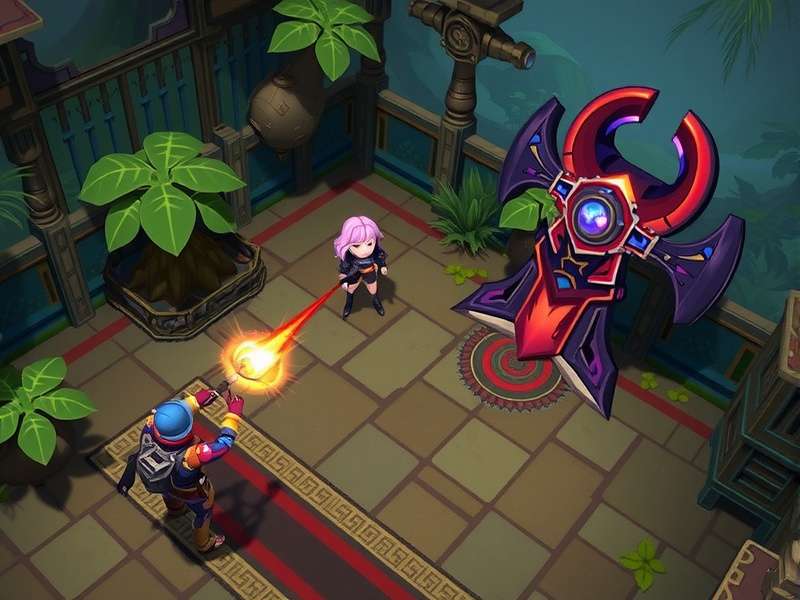
A detailed map of the Tamizh-Galaxy, showcasing the 60+ star systems and key locations in Galactic Guardians Chennai's rich lore.
The lore of Galactic Guardians Chennai is a masterful blend of sci-fi storytelling and Indian cultural heritage, crafted by a team of writers that includes Tamil novelists, mythologists, and sci-fi enthusiasts. The game's world is built on a foundation of deep history, complex characters, and thematic depth that explores universal human experiences through the lens of Indian traditions.
Unlike many sci-fi games that discard Earth's cultural heritage in favor of generic futurism, Galactic Guardians Chennai celebrates India's past while imagining its future. The lore draws inspiration from a wide range of sources – from the Vedas and Puranas to Tamil Sangam literature and modern Indian science fiction – creating a world that feels both familiar and exotic.
The Tamizh-Galaxy: A Cosmic Homeland
The game is set in the Tamizh-Galaxy, a spiral galaxy located 420 light-years from Earth in the Andromeda constellation. The galaxy was named by the first Indian settlers in recognition of Tamil civilization's ancient contributions to astronomy – Tamil astronomers made accurate calculations of planetary movements and star positions over 2,000 years ago, as documented in texts like the Tolkappiyam and Silappatikaram.
The Tamizh-Galaxy consists of seven major sectors, each named after a sacred river in India:
- Kaveri Sector - The central sector, home to New Chennai Space Station and the Galactic Guardians Corps headquarters. Named after the Kaveri River in South India, considered sacred by Tamils.
- Ganges Sector - A lush, river-rich sector with planets covered in waterways and tropical forests. Named after the Ganges, India's most sacred river.
- Yamuna Sector - A sector known for its fertile planets and agricultural colonies. Named after the Yamuna River, a tributary of the Ganges.
- Saraswati Sector - A technologically advanced sector with research facilities and AI-controlled planets. Named after the Saraswati River, associated with knowledge and wisdom in Hindu mythology.
- Narmada Sector - A sector with rugged, mountainous planets and mining colonies. Named after the Narmada River, known for its scenic gorges.
- Godavari Sector - A sector with diverse ecosystems, from deserts to rainforests. Named after the Godavari River, the second-longest river in India.
- Krishna Sector - A remote sector on the edge of the galaxy, known for its lawless planets and pirate hideouts. Named after the Krishna River, associated with Lord Krishna in Hindu mythology.
Each sector has its own unique characteristics and challenges, with planets that reflect different aspects of Indian geography and culture. For example, the Ganges Sector features planets with floating temples inspired by Varanasi, while the Krishna Sector has desert planets that resemble Rajasthan's Thar Desert.
The History of the Tamizh-Galaxy
The lore of Galactic Guardians Chennai spans over 200 years of human history in the Tamizh-Galaxy, with key events that shaped the world players experience:
The Great Exodus (2219-2224)
In the early 23rd century, Earth faced a series of catastrophic events – climate change, resource depletion, and political unrest – that made large parts of the planet uninhabitable. In response, the United Nations launched the "Cosmic Resettlement Initiative," encouraging countries to establish colonies in nearby galaxies.
India, which had emerged as a global leader in space technology thanks to the Indian Space Research Organization (ISRO), took a leading role in the initiative. ISRO's development of the "Vedic Warp Drive" – a faster-than-light propulsion system inspired by ancient Indian texts that described flying machines called vimanas – allowed Indian spacecraft to reach the Tamizh-Galaxy in just five years.
The first wave of settlers, consisting of scientists, engineers, and farmers from across India, arrived in 2224 and established a small outpost on a planet they named "Prithvi Prime" (after the Hindu goddess of Earth). The outpost quickly grew into a thriving colony, with settlers bringing their cultural traditions, languages, and way of life to the new galaxy.
The Golden Age (2224-2300)
Over the next 75 years, the Indian colony in the Tamizh-Galaxy expanded rapidly. New planets were settled, trade routes were established, and New Chennai Space Station was built to serve as the administrative and commercial hub of the colony. This period, known as the Golden Age, was marked by peace, prosperity, and cultural flourishing.
Key developments during this era include:
- The establishment of the Tamil Nadu Space Consortium, which oversaw trade and cultural preservation
- The construction of the Thanjavur Temple-inspired headquarters for the colony's government
- The development of a unique dialect of Tamil that incorporated technical terms and words from other Indian languages
- The discovery of "Cosmic Lingams" – mysterious artifacts that emit powerful energy, believed to be remnants of an ancient alien civilization
- The integration of traditional Indian medicine with advanced technology, creating a new field of "Vedic Biomedicine"
The Asura Invasion (2300-2310)
Peace in the Tamizh